CLL Society Medical Advisory Board
CLL Society’s Medical Advisory Board is comprised of leading CLL / SLL experts from across the country. Members generously provide their time and talent to the organization and represent an interprofessional group of well-respected leaders in their field. As a group, they advise CLL Society on a wide range of activities including our educational programming, research efforts, and medical initiatives.
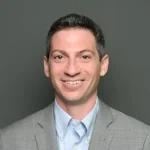
Matthew S. Davids, MD, MMSc
Chair
Chief, Division of Lymphoma
Harold and Virginia Lash Endowed Chair in Lymphoma Research
Dana-Farber Cancer Institute
Leader, Lymphoma Program, Harvard Cancer Consortium
Associate Professor of Medicine, Harvard Medical School
Boston, MA
After obtaining an A.B. cum laude in chemistry at Harvard College, Dr. Davids completed his M.D. cum laude at Yale University School of Medicine. He served as an intern, resident, and assistant chief resident in internal medicine at New York-Presbyterian Weill Cornell Medical Center and Memorial Sloan-Kettering Cancer Center in New York City. He then completed his fellowship in hematology and oncology in Dana-Farber/Partners CancerCare, and a Masters in Medical Science (M.M.S.c.) at Harvard Medical School. He is an attending physician in the Division of Lymphoma, where he serves as the Director of Clinical Research, as well as Associate Director of the DFCI CLL Center. He is also an Associate Professor of Medicine at Harvard Medical School, and attends on the inpatient hematologic malignancies service at Brigham and Women’s Hospital. Dr. Davids has an active translational research program in CLL, focusing on studying apoptosis (in particular Bcl-2 biology) in his laboratory, and leading clinical trials to evaluate novel therapeutic strategies in patients. Much of his work has focused on the clinical development of new therapeutic regimens in CLL utilizing combinations of targeted inhibitors of Bcl-2, B cell receptor pathway kinases, and other novel agents.

Nicole Lamanna, MD
Co-Chair
Judy Horrigan Professor of Medicine, Leukemia Service
Director of the Chronic Lymphocytic Leukemia Program
Hematologic Malignancies Section
Herbert Irving Comprehensive Cancer Center
New York-Presbyterian/Columbia University Medical Center
Dr. Nicole Lamanna serves as an Associate Professor of Medicine and Director of the Chronic Lymphocytic Leukemia (CLL) Program on the Leukemia Service for the Hematologic Malignancies Section in the Hematology/Oncology Division at Columbia University Medical Center. Dr. Lamanna specializes in the treatment of adult patients with acute and chronic leukemias. Her area of clinical expertise is in treatment of patients with lymphoid leukemias, specifically chronic lymphocytic leukemia (CLL). Her clinical research focus has been the development of novel combination therapies that include chemo-immunotherapy, immune-modulatory drugs, kinase inhibitors, bcl-2 inhibitors, and monoclonal antibodies. Her research aims have also encompassed the development of safer and more effective therapies for older patients with CLL and the investigation of novel agents for all patients with this disease. She has lectured at international and national meetings and has published in various scientific journals, including Blood, Journal of Clinical Oncology, and the New England Journal of Medicine.
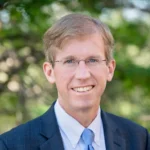
John Burke, MD
Hematologist/ Medical Oncologist
Rocky Mountain Cancer Centers
Aurora, CO
Dr. Burke earned his undergraduate degree in History and Science from Harvard University, graduating magna cum laude in 1992. He went on to receive his medical degree with high honors from Baylor College of Medicine in 1997. He completed his residency in Internal Medicine at the University of California, San Francisco, followed by a fellowship in Medical Oncology and Hematology at Memorial Sloan Kettering Cancer Center in New York.
Since joining Rocky Mountain Cancer Centers in 2003, Dr. Burke has specialized in blood cancers, with a focus on lymphoid disorders such as lymphomas, chronic lymphocytic leukemia (CLL), and multiple myeloma. Recognized nationally and internationally as an expert in lymphoid malignancies, he frequently lectures on these diseases and remains deeply engaged in clinical research aimed at developing new therapies. His work has been widely published in leading peer-reviewed journals, including the New England Journal of Medicine, Blood, and the Journal of Clinical Oncology.
In addition to his clinical and research roles, Dr. Burke currently serves as Editor-in-Chief for Targeted Therapies in Oncology and as an Associate Editor for JCO Oncology Practice. He is actively involved in professional societies, having served on the Ethics Committee of the American Society of Clinical Oncology (ASCO), and he is currently a member of the Committee on Practice of the American Society of Hematology (ASH). He also chairs the US Oncology Pathways Task Force.
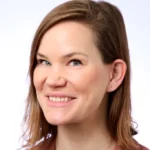
Catherine Coombs, MD
Associate Clinical Professor
Division of Hematology/Oncology, Department of Medicine
University of California, Irvine Health
Irvine, CA
Dr. Catherine Coombs is an Associate Clinical Professor at the University of California, Irvine. She earned her medical degree from the University of Cincinnati College of Medicine and completed her internship and residency at Duke University Medical Center. She went on to pursue a hematology and oncology fellowship at Memorial Sloan Kettering Cancer Center.
Before joining UC Irvine in 2022 to be closer to family, Dr. Coombs served as an Assistant Professor at the University of North Carolina, where she led the CLL program. Her clinical practice focuses primarily on patients with chronic lymphocytic leukemia (CLL) and small lymphocytic lymphoma (SLL).
Dr. Coombs has been an active investigator in numerous clinical trials, ranging from cooperative group studies to early-phase trials of novel agents. She has also contributed to multicenter research exploring the real-world impact of emerging therapies on patient outcomes. In addition to her work in CLL and SLL, she cares for patients with other non-acute leukemias and has expertise in leukemia precursor states, including clonal hematopoiesis (CHIP) and CCUS.
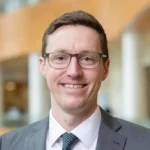
Paul Hampel, MD
Assistant Professor of Medicine
Mayo Clinic, Division of Hematology, Department of Medicine
Rochester, MN
Dr. Paul J. Hampel is an Assistant Professor of Medicine in the Division of Hematology at Mayo Clinic, where he integrates patient care, research, and education to advance the field of hematologic malignancies. A St. Louis native, he earned his medical degree from the University of Missouri School of Medicine before completing his residency in Internal Medicine at Mayo Clinic. He remained at Mayo for his Hematology & Oncology fellowship, where he was awarded the prestigious Angela and Anne V. Marinelli Endowed Fellowship Award, recognizing exceptional achievement and promise in clinical practice across all Internal Medicine subspecialties.
Following fellowship, Dr. Hampel completed an advanced training year in lymphoid malignancies and chimeric antigen receptor (CAR) T-cell therapies before joining the Mayo Clinic faculty in 2022. He is an active member of the Advanced Clinical Trials and Translational Sciences Research Program, the Lymphoid Malignancies Group, and the Cell Therapy Group within the Mayo Clinic Comprehensive Cancer Center.
Dr. Hampel’s research focuses on resistance mechanisms to targeted therapies, particularly the coevolution of disease and the immune microenvironment, with the goal of translating new discoveries into practice for patients with CLL and Richter transformation. He leads innovative clinical trials aimed at improving outcomes for CLL patients and is a recipient of the Robert A. Winn Excellence in Clinical Trials Award. In addition, he serves as co-lead of the Education Subcommittee within the Lymphoid Malignancies Group.
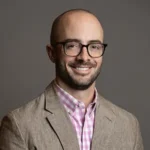
Ryan W Jacobs, MD
Dr. Jacobs joined the Levine Cancer Institute in Charlotte, North Carolina in 2015 as an Associate Professor of Internal Medicine where he has served as a chronic lymphocytic leukemia (CLL) and lymphoma specialist is the Director of the Lymphoma Division. Dr. Jacobs graduated from Baylor College of Medicine in Houston, Texas. He then completed his internship and residency in Internal Medicine at Vanderbilt University in Nashville, Tennessee. Dr. Jacobs then returned to Houston to complete his hematology/oncology fellowship at The University of Texas MD Anderson Cancer Center. He functions as a principal investigator on numerous clinical trials. He was promoted to Associate Professor of Internal Medicine through the Wake Forest University School of Medicine in 2024. Dr. Jacobs has both a clinical and research focus in patients with lymphoma and CLL. In his role as a principal investigator, he oversees the clinical trials conducted at Levine Cancer Institute that involve the treatment of patients with lymphoma and CLL. As the CLL expert for the Levine Cancer Institute/Atrium Health network Dr. Jacobs is responsible for creating and overseeing patient care pathways involving the treatment of CLL patients that spans North Carolina, South Carolina, and Georgia. In addition to clinical trials, Dr. Jacobs also has a research interest in real world outcomes of patients with CLL who are on novel therapies, and he has contributed to this field of research. He has published many first author manuscripts and has presented at numerous national and international meetings.
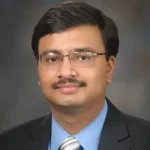
Nitin Jain, MD
Professor of Medicine in the Department of Leukemia at The University of Texas MD Anderson Cancer Center (MDACC) in Houston, Texas
Dr. Jain is a Professor of Medicine in the Department of Leukemia at The University of Texas MD Anderson Cancer Center (MDACC) in Houston, Texas. He earned his medical degree from the All India Institute of Medical Sciences (AIIMS), New Delhi, India in 2002. He completed Internal Medicine residency at the Medical College of Wisconsin, Milwaukee. He then completed a clinical fellowship in Leukemia at MDACC followed by a Leukemia research fellowship at Memorial Sloan-Kettering Cancer Center. He then pursued a fellowship in Hematology/Oncology at The University of Chicago. He joined as a faculty in the Department of Leukemia at MDACC in July 2012. Dr. Jain treats patients with acute and chronic leukemias with focus of patients with chronic lymphocytic leukemia (CLL) and acute lymphoblastic leukemia (ALL). Dr. Jain research interests focus on new drug development for patients with leukemia, especially CLL and ALL. Since 2021, he has also served as Director, Leukemia CAR-T Program within the Department of Leukemia, MDACC. Dr. Jain is Principal Investigator of several investigator-initiated phase I-II clinical trials, including combination targeted therapies (ibrutinib and venetoclax) in CLL, checkpoint inhibitor in Richter transformation, JAK2 inhibitor ruxolitinib in Ph-like ALL, novel CD22 antibody drug conjugate in B-ALL, venetoclax + chemotherapy in B- and T-ALL, ponatinib in T-ALL, and off-the-self allogeneic CARTs in B-ALL. The trial combining ibrutinib and venetoclax was published in the New England Journal of Medicine in 2019. He has published papers in prominent journals including NEJM, Lancet, JAMA Oncology, Journal of Clinical Oncology, Blood, Clinical Cancer Research, Cancer, Leukemia & Lymphoma, and others. He has won many awards during his career including Sardari Lal Kalra Gold Medal in Microbiology from AIIMS and Merit Award from the American Society of Clinical Oncology (ASCO). He secured first rank at the national level in India in the medical school (AIIMS) entrance examination. He received the High-Impact Clinical Research Support Award from MD Anderson Cancer Center in 2014 and 2016. He has served as faculty on American Society of Hematology CRTI workshop from 2017-2019. He is recipient of the Sabin Family Foundation Award in 2018. In 2020, he received MD Anderson Faculty Scholar award. In 2021, he was appointed Director of the CAR-T program for the Leukemia Department, MDACC. In 2022, he received the Leukemia and Lymphoma Society’s Career Development Program Award as well as the Translational Research Program Award.
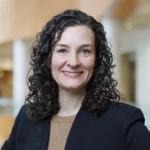
Lindsey E. Roeker, MD
Hematologist/ Oncologist
Mayo Clinic
Rochester, Minnesota
Dr. Lindsey Roeker earned her medical degree from the Mayo Clinic School of Medicine. She completed her residency in internal medicine at Brigham and Women’s Hospital, followed by a fellowship in hematology and medical oncology at Memorial Sloan Kettering Cancer Center (MSK). Following her training, Dr. Roeker joined the faculty at MSK, where she served as Director of the Chronic Lymphocytic Leukemia (CLL) Program. In early 2025, Dr. Roeker returned to the Mayo Clinic and is an active clinical investigator on the CLL disease team, with a research focus on measurable residual disease (MRD)-adapted treatment strategies, novel therapeutic development, real-world evidence supporting the optimal use and sequencing of targeted agents, and tumor microenvironment-modifying strategies.
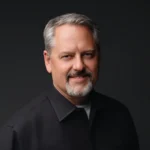
Jeff Sharman, MD
Medical Oncologist, Hematologist
Willamette Valley Cancer Institute and Research Center
Eugene, Oregon
Jeff Sharman, MD, is a medical oncologist, clinical investigator, and author whose career has unfolded alongside one of the most remarkable transformations in modern cancer medicine. For more than two decades, he has cared for patients with leukemia, lymphoma, and other blood cancers while helping lead clinical research that advanced new therapies for chronic lymphocytic leukemia (CLL). His work contributed to the transition from chemotherapy-based treatment toward targeted therapies that have dramatically extended and improved the lives of patients with the disease.
As a physician, Dr. Sharman has witnessed scientific breakthroughs not only in research meetings and clinical trials, but also in the lives of the patients who inspired them. That perspective—equal parts clinician, investigator, and storyteller—shaped his desire to explore the history behind these advances and the individuals who made them possible.
In Ghosts in the Blood: The Extraordinary History of Chronic Lymphocytic Leukemia, Dr. Sharman traces the centuries-long journey from mystery and fatalism to precision medicine, revealing the discoveries, setbacks, rivalries, and triumphs that transformed CLL from an incurable disease into one of the great success stories of modern oncology.
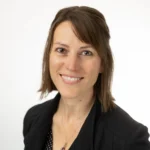
Deborah Stephens, DO
Professor
Director of the CLL Program
Medical Co-Director of the Clinical Trials Office
Huntsman Cancer Center at the University of Utah
Salt Lake City, UT
Dr. Stephens is the Director of the CLL Program and the Medical Co-Director of the Clinical Trials Office at the Huntsman Cancer Center at the University of Utah in Salt Lake City, UT. She completed her internal medicine residency at Cleveland Clinic and fellowship training at The Ohio State University. Dr. Stephens leads a subspecialty clinic with a focus on patients with CLL and lymphoma. Her primary research interests include developing new targeted therapies for patients with CLL and lymphoma, studying resistance to current therapies, and developing supportive therapies for complications of CLL. She is the principal investigator on multiple clinical trials including the international principal investigator for the SWOG S1925 EVOLVE CLL Study (NCT04269902). She leads the CLL Subgroup of the SWOG Leukemia Committee. She is an expert panelist for the National Comprehensive Cancer Network (NCCN) CLL Guidelines Panel, which establishes and publishes the most widely referenced guidelines for the evaluation and treatment of patients with CLL. Dr. Stephens is also a member of the medical board for CLL Society, which is the largest patient-led CLL group in the country. The sum of Dr. Stephens’s experiences demonstrates her deep commitment to improve the care of patients with CLL and lymphoma.
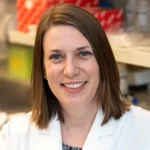
Jennifer A. Woyach, MD
Professor and Director of the Division of Hematology in the Department of Internal Medicine at The Ohio State University Comprehensive Cancer Center – James Cancer Hospital and Solove Research Institute
Dr. Woyach is a Professor and Director of the Division of Hematology in the Department of Internal Medicine at The Ohio State University Comprehensive Cancer Center – James Cancer Hospital and Solove Research Institute. She holds the D Warren Brown Chair of Leukemia Research and serves as co-Director of the Leukemia Research Program within the OSU Comprehensive Cancer Center.
Dr. Woyach earned her medical degree from The Ohio State University College of Medicine and Public Health, where she also completed a residency in internal medicine, serving as Chief Resident in her final year. Afterwards, she remained at The Ohio State University to complete a fellowship in hematology and medical oncology and joined the faculty in 2012.
Dr. Woyach’s research interests include chronic lymphocytic leukemia (CLL) and other hematologic malignancies. Her laboratory research focuses on the role of Bruton’s Tyrosine Kinase (BTK) in the development and expansion of CLL, as well as therapeutic BTK inhibition in CLL using murine and cellular models. Her research also examines resistance to BTK inhibitor therapy. Her clinical research focuses on novel agents in CLL. She is the PI for multiple early stage clinical trials investigating novel targeted therapies for CLL and other hematologic malignancies, and also mentor junior faculty members in the development and conduct of Phase I studies.
Among her achievements, Dr. Woyach is a recipient of the 2015 American Society for Clinical Investigation Young Physician-Scientist Award. Her work has been featured in several medical publications, including NEJM, Journal of Clinical Oncology, Lancet Oncology, Blood and Cancer Discovery. She is a member of the leukemia committee of the Alliance for clinical trials in oncology, the women in hematology subcommittee of ASH, and is a standing member of the iwCLL.